Expert Fence Installation: Transform Your Property's Appeal With Superior Craftsmanship
Professional fence installation serves as a fundamental element in enhancing both the decorative and structural aspects of a home. Offering diverse materials and designs on the market, property owners can achieve a tailored look that suits their landscape. Skilled workmanship is essential in maintaining strength and visual appeal. As property owners consider these factors, they may start considering how to properly execute their fence installation project for the greatest benefit.
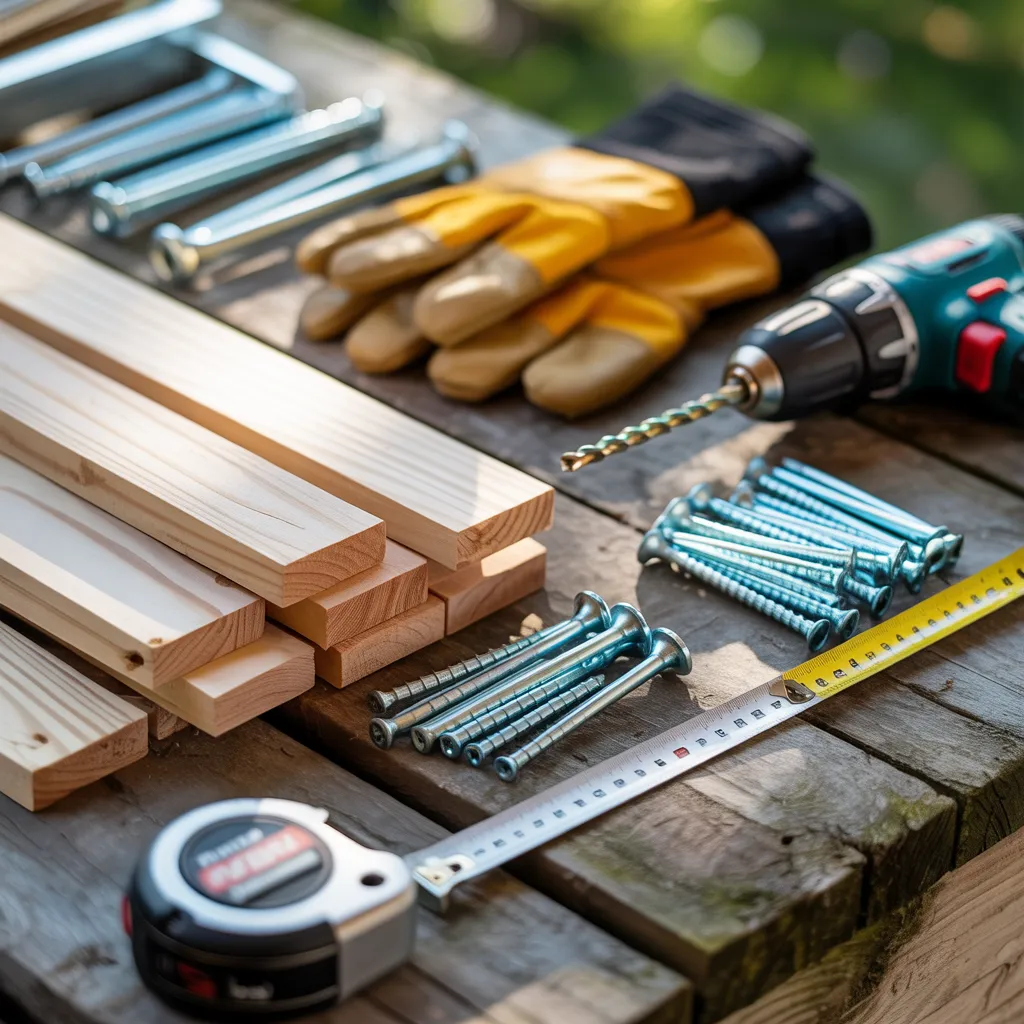
Why Custom Fences Are Vital for Your Home
Custom fences are widely regarded as essential features for residential properties. These structures fulfill several functions, enhancing security, privacy, and aesthetic appeal. Homeowners often find that a thoughtfully crafted fence is able to establish clear boundaries, offering a distinct separation between their land and adjacent areas. This not only fosters a sense of ownership but also encourages a sense of security, most notably in city environments.
Furthermore, tailored fence designs can be tailored to align with the architectural character of a home, harmonizing beautifully with the surrounding environment. Materials such as wood, vinyl, or metal can be chosen based on aesthetic appeal and longevity, offering a wide range of options to accommodate unique requirements. Furthermore, these fences can increase property value, making them a valuable addition for home dwellers. Overall, custom fences play a vital role to the elegance and utility of home environments, making them an important factor in home improvement initiatives.
Managing the Budget for Your Custom Fence Project
When preparing for a custom fence project, homeowners need to thoughtfully evaluate their budgets to ensure the final installation meets their expectations without undue financial burden. Establishing a clear budget involves taking into account several key elements, including material expenses, labor fees, and supplementary elements, such as gates or decorative elements. Property owners should gather several estimates from contractors to assess rates and available services.
It's also crucial to factor in possible hidden costs, such as permits or site preparation. By establishing a contingency budget—usually 10-15% of the full project budget—homeowners are able to cover unexpected costs that may occur throughout the installation process.
Separating needs from wants can assist in streamlining the budget, guaranteeing that critical features are incorporated while reducing unnecessary costs. By thoughtfully approaching the budgeting process, homeowners can achieve a rewarding and successful custom fence endeavor that enhances their property without undermining their financial well-being.
Finding the Perfect Materials for Your Custom Fence
When choosing materials for a personalized fence, homeowners often face the decision between vinyl and wood options. Every material offers distinct advantages when it comes to durability and upkeep requirements. Understanding these differences can greatly influence the long-term effectiveness and longevity of the fence solution.
Wood vs. Vinyl Fencing
Picking the right choices for a fence can greatly affect both visual appeal and functionality. Wood fencing is often preferred for its organic appeal and flexibility, enabling various styles and coatings. It can seamlessly complement outdoor greenery and provides a charming, appealing aesthetic. Nevertheless, it can demand routine maintenance to maintain its allure.
On the other hand, vinyl fencing offers a fresh appearance with a neat, consistent appearance. It can be found in countless colors and styles, giving homeowners choices that match their tastes. Vinyl offers resistance to pests and decay, establishing it as a minimal-upkeep solution. At the end of the day, the selection between wood and vinyl fencing will depend on personal taste, desired appearance, and long-term goals for the property.
Durability and Maintenance Factors
Examining durability and maintenance factors is essential for identifying the right materials for a custom fence. A range of materials present notable strengths regarding longevity and upkeep. For example, metal fences, such as aluminum or cast iron, deliver remarkable resilience and need minimal care, standing up to rust and outdoor exposure. In contrast, wood fences, despite their attractive appearance, require consistent upkeep to guard against decay and pest damage, affecting overall longevity. PVC fencing is notable for its ease of care, holding up against fading and bending but may be less resilient in extreme conditions. In the end, the selection of fencing material should align with the homeowner's design preferences, weather conditions, and commitment to regular care, ensuring that the fence remains functional and visually appealing over the years.
Building a Fence That Harmonizes With Your Landscape
Crafting a fence that improves a landscape requires careful consideration of architectural styles and the use of environmentally friendly materials. A well-matched fence not only complements the surrounding buildings but also blends into the surrounding environment. Identifying materials that complement the landscape can create a harmonious and appealing outdoor space.
Matching Architectural Styles
How can homeowners establish a seamless integration between their fences and the surrounding architecture? By carefully considering the style and materials of their home, they can select a fence that enhances the overall aesthetic. To illustrate, a modern home may be well-suited to streamlined, minimalist designs, while a conventional residence could be perfectly matched with timeless picket or wrought iron fences.
Furthermore, color schemes should align; a fence that mirrors the home's trim color can bring the entire space together. Homeowners must also take height and scale into account, ensuring the fence does not overwhelm the property or seem out of place. When all is said and done, a well-designed fence has the ability to elevate curb appeal and foster a harmonious, inviting ambiance that captures the homeowner's individual style.
Picking Natural Materials
While selecting a fence, homeowners commonly realize that choosing naturally sourced materials can greatly enhance the harmony between the fence and the neighboring environment. Stone, wood, and bamboo are widely preferred materials that not only provide durability but also integrate naturally with a wide range of settings. For instance, redwood or cedar fences can produce a charming, rustic character, while stone walls offer a more timeless, elegant aesthetic. Additionally, using locally sourced materials can create a sense of place, anchoring the home within its natural surroundings. Homeowners should evaluate the upkeep demands of these materials, as well as their ability to withstand the elements and insects. Ultimately, the ideal combination of natural materials can improve supporting information both the fence's utility and its overall appearance, producing a unified and attractive outdoor setting.
Why Expert Craftsmanship Sets the Standard
Professional craftsmanship in fence installation considerably shapes both the visual attractiveness and physical stability of a property. Expert technicians hold the skills to select the appropriate materials and techniques customized for specific environmental conditions. This knowledge guarantees that fences not only boost a property's aesthetic beauty but also stand strong over time.
Meticulous attention during installation plays an essential role in creating a seamless appearance. Exact measurements and careful alignment eliminates issues such as tilting or drooping, which can compromise a property's aesthetic appeal. Moreover, expert workmanship often includes following local codes and safety guidelines, lowering possible liabilities for residents.
Opting for skilled setup also means employing cutting-edge methods and equipment that are often inaccessible to homeowners doing it themselves. This comprehensive method produces a durable fence that boosts the value of the property while reflecting the homeowner's style and taste. At the end of the day, professional craftsmanship assures that a fence performs its role effectively and beautifully.
Maintenance Tips for Long-Lasting Fencing Solutions
Consistent maintenance is critical to preserving the lasting quality of every fence, no matter the skill involved in its construction. Periodic examinations are vital; property owners ought to look for indicators of wear, decay, or corrosion a minimum of two times annually. For wooden fences, applying a protective sealant every few years can prevent moisture damage and prolong life. Metal fences require periodic cleaning to remove debris and rust, often using a wire brush or rust-resistant paint.
In addition, removing vegetation that grows against the fence lowers the risk of mold and insect infestations. Maintaining proper drainage around the fence line avoids water accumulation, which can compromise the foundation. Finally, resolving any issues promptly can reduce costs and effort in the long run. By adhering to these maintenance tips, property owners can benefit from a stunning and reliable fence for many years to come, boosting their property's aesthetic appeal.

Frequently Asked Questions
How Long Does It Usually Take to Install a Custom Fence?
Custom fence installation generally requires approximately one to two weeks, with the timeline influenced by project scope, material selection, and prevailing weather conditions. Setbacks can arise due to permit acquisition and site preparation prior to the start of construction.
Do I Need a Permit for Installing a Custom Fence?
Generally, a permit is necessary for setting up a custom fence, according to local regulations. It is recommended that homeowners verify with their local authorities to verify compliance with zoning laws and property guidelines.
Which Styles of Custom Fences Are the Most Popular?
Well-known styles of personalized fences include picket, privacy, ornamental, and ranch. Each type offers one-of-a-kind style and purpose, addressing a wide range of preferences as well as enhancing home value and ensuring peace of mind within commercial and residential properties.
Is It Possible to Install a Custom Fence During Winter?
Indeed, a personalized fence is able to be installed in winter. That said, cold temperatures can impact materials and installation techniques, so it's important to consult professionals for the best results and ensure proper handling during adverse weather conditions.
What Should I Look for When Choosing an Installation Contractor?
To select the ideal specialist for installation, it is important to check credentials, review feedback, obtain multiple quotes, and verify experience. Open communication and a thorough contract are essential to ensure excellent workmanship and overall satisfaction with the project.